#

Featured Products

New Products

News

  • Window Blinds Manufacturer Shares Expert Design Tips for Every Room

    Most advice about window blinds never gets past the basic measuring tape, but ROLLERGY comes at it differently. They build blinds, and they've seen how they perform in actual rooms across thousands of homes. This piece skips the fluff and gets into what truly makes a space work. It explains why a living room can feel subtly wrong even when the furniture is right, and why so many bedrooms fall short of the deep darkness people need for good sleep. Every room gets attention, with tips grounded in factory-floor knowledge rather than guesswork. You'll learn which fixes matter and which ones are just noise. If you've been frustrated by blinds that look fine but don't quite deliver, the answers here are refreshingly specific and easy to act on. It's the kind of practical detail that only comes from making the product every day. That hands-on edge is what sets it apart.

  • Polyurea Curing Agent Dealer Questions to Ask Before You Order

    Most coating failures don't start in the spray booth—they start at the purchasing desk. Ordering polyurea curing agent without first interrogating your supplier can turn a promising project into an expensive do-over. This piece cuts through the usual sales talk and lays out the questions that actually matter: batch-to-batch consistency, real technical support, and whether the dealer you're talking to is a genuine partner or just a middleman moving barrels. It also shows why transparency from companies like Fortune isn't a nice-to-have—it's the difference between a fast, flawless cure and a costly call-back. If you're tired of finding out what your supplier should have told you only after the job goes sideways, this is the checklist you need before signing any purchase order. Read on to learn the red flags that separate professionals from pretenders, and how a transparent supplier can save you time, money, and a lot of rework.

  • Knife Gate Valve Factory: What Sets a Reliable Manufacturer Apart

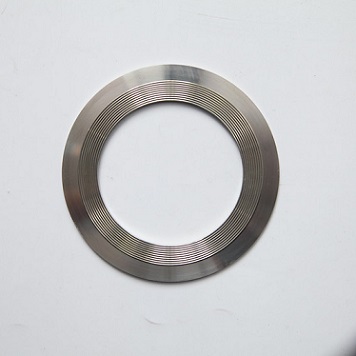
    A failed knife gate valve rarely costs just the price of a new part. The bigger losses come from unexpected downtime, product spills, and safety incidents that no one wants to discuss openly. That makes the manufacturer behind the valve far more important than the quoted price. A truly dependable factory doesn't prove itself through glossy brochures; it proves itself through casting accuracy, the quality of seat and seal materials, and the pressure tests completed before shipment. This article walks through the differences between a factory that builds reliability into every valve and a supplier that simply ships castings. It highlights the practical checks—dimensional tolerances, material certifications, and test documentation—that reveal whether a knife gate valve will hold up in service. It also shows how THT handles these critical points, giving readers a straightforward way to compare suppliers and avoid the hidden costs of a poor choice.

  • DETDA Distributor: How to Choose a Reliable Supplier for Your Curing Agent Needs

    Finding a dependable source for DETDA isn't just about locking in a low price. A supplier can look impressive on a data sheet and still disrupt your production with inconsistent batches, delayed shipments, or silence when a formulation goes wrong. This article walks through the factors that genuinely separate reliable partners from vendors who only shine on paper. You'll learn which purity specifications matter for curing performance—amine value, moisture content, isomer ratio—and why batch-to-batch consistency can make or break a production run. Supply logistics get the same close look, because lead times and inventory buffers quietly determine whether your line keeps moving. The discussion also examines how Fortune measures up against these practical criteria, giving you a clearer way to evaluate any candidate before signing a contract. If your curing agent supply chain feels like a gamble, this breakdown helps you spot the warning signs early.

  • Full Automatic Adult Diaper Making Machine: Transforming Hygiene Product Manufacturing Efficiency

    Adult diaper manufacturing has long struggled with a stubborn trade-off: keep lines running fast and waste climbs, slow down for precision and output drops. Womeng's fully automatic production line takes a different route. Instead of bolting automation onto an old process, it reorganizes how materials move, how stations sync, and how stoppages are handled. The result is a system where speed, accuracy, and material efficiency no longer work against each other. This article walks through the design choices behind that shift—why fewer interruptions matter more than raw cycle time, how tighter material control reduces hidden losses, and what it means for manufacturers squeezed by rising input costs and unpredictable demand. It's not a list of specs. It's a look at how one machine rethinks the entire production flow and gives hygiene producers a practical way to protect margins without sacrificing output. For anyone tired of patching the same bottlenecks, this offers a clearer path forward.

  • High Tenacity Total Bright Filament Yarn Manufacturer: Key Qualities to Evaluate

    Selecting a manufacturer for high tenacity total bright filament yarn isn't a box-ticking exercise—it shapes how your final products hold up under stress, how cleanly they reflect light, and whether your production line runs without surprises. This guide cuts through supplier noise to focus on what actually separates dependable mills from the rest. You'll find a practical breakdown of evaluation points: polymer quality and additive consistency, spin-line controls that keep denier and tenacity stable, and winding practices that prevent broken filaments and uneven package build. Rather than relying on glossy claims, the article walks you through how to verify these factors before placing an order, helping you avoid expensive trial batches and delayed timelines. Attention is given to total bright specifications, where surface finish and uniformity are easy to get wrong. By the end, you'll know which questions to ask and which red flags signal a supplier that may not meet repeat-order standards.

  • How Does a Rapid Transfer Port RTP Improve Safe Material Transfer in Critical Environments?

    In pharmaceutical manufacturing, biotechnology, healthcare, chemical processing, and other controlled environments, material transfer is often one of the most critical points for contamination control. Introducing components, tools, raw materials, samples, or waste into and out of an isolator or containment system can create operational risks if the barrier is compromised. A Rapid Transfer Port RTP provides a controlled interface for transferring materials while helping maintain the integrity of the protected environment.

  • How to Solve Offshore Signal Dead Zones with a Custom Marine-Grade Mobile 4G LTE Wireless Router?

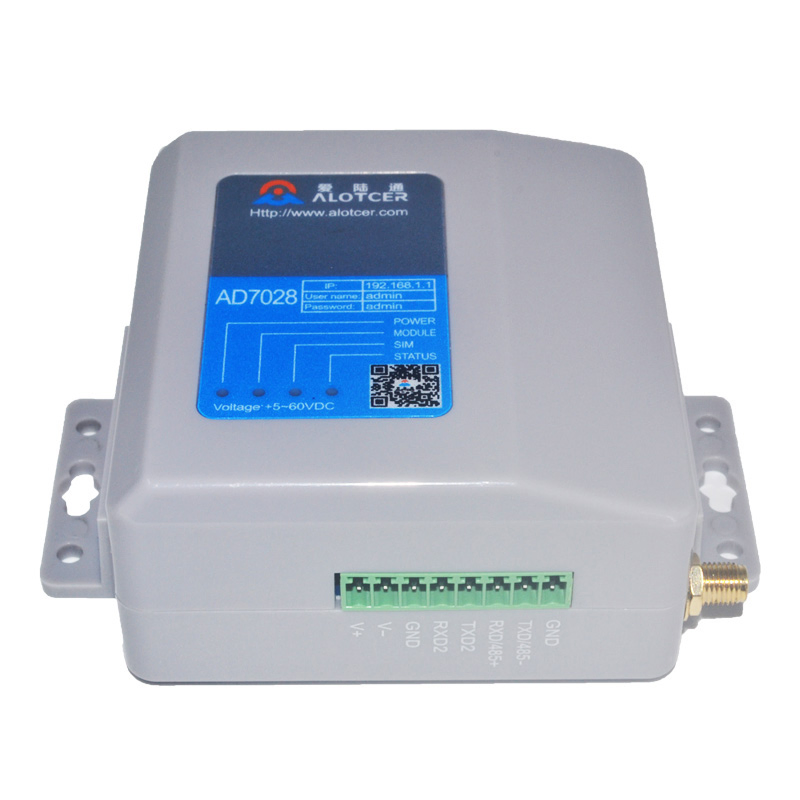
    ​Maintaining a steady high-speed internet connection on water is notoriously difficult. Standard consumer hot-spots falter under harsh salty conditions, engine vibration, and weak coastal signals. For vessel operators, commercial shipping lines, and luxury yacht owners, staying connected isn't just about entertainment—it's vital for navigation safety, crew communication, and operational efficiency. Deploying a dedicated Mobile 4G LTE Wireless Router built for maritime operations ensures continuous, high-throughput network performance even miles off the coast.

Leave Your Message

  • Click Refresh verification code