

Tricresyl Phosphate Distributor: Your Guide to Sourcing High-Purity Product
2026-10-26
Imagine receiving a shipment of tricresyl phosphate that passes every purity test on the first try—no rework, no line shutdowns, no frantic calls to your supplier. For many procurement teams, that’s still a rare scenario. The problem isn’t the chemistry; it’s choosing a distributor who treats high-purity TCP as the baseline, not an upsell. That’s where Fortune comes in. Here’s how to source tricresyl phosphate with confidence.
Why Purity Claims Deserve a Closer Look
A purity claim sounds reassuring until you ask what it actually measures. Many brands highlight a single figure—like 99 percent pure—without explaining the method behind it, the sample size, or what the remaining fraction contains. That missing context can turn a simple label into a quiet loophole.
Independent testing also varies more than people expect. One laboratory may call a result pure while another flags the same batch as borderline because thresholds, equipment, and reference standards are not uniform across the industry. Without seeing the full report, consumers are often left comparing slogans rather than data.
This does not mean purity claims are meaningless. It means they reward a closer look, so check whether the certificate names a specific batch, whether the testing covers common contaminants, and whether the definition of purity matches what you actually care about. That kind of scrutiny separates a marketing phrase from a measurable fact.
Reading Between the Lines of a Certificate of Analysis
A certificate of analysis often looks like a straightforward list of test results, but experienced buyers learn to spot what isn't emphasized. The fine print around test methods, for instance, can reveal whether a lab used a compendial method or an in-house alternative that might be less rigorous. Check whether the report lists actual numerical values or just "conforms" — vague pass/fail language sometimes masks borderline results. Also note the date of analysis relative to the manufacture date; a long gap might hint at delayed release or stability concerns.
Signatures and accreditations matter more than most people assume. A CoA signed by a named quality officer with a clear title carries more weight than a generic stamp. If the document lacks an expiration or retest date, that's often a red flag about how the supplier manages shelf life. Cross-reference the lot number on the CoA with the actual product packaging — mismatches are a classic sign of sloppy documentation or even counterfeit goods. Finally, look for revisions or version numbers; an unusually high number of revisions on a single lot could indicate repeated testing until a passing result was obtained.
Questions That Separate Serious Distributors from the Rest
Ever notice how some distributors seem to glide through challenges while others stall at the first sign of friction? The difference often lies in the questions they ask themselves before anyone else does. Serious distributors don't wait for a manager to point out a gap in their follow-up process or a weak spot in their pitch—they interrogate their own habits daily.
For example, a committed distributor might ask, "What did I actually learn from that rejection, and how would I adjust if every prospect said no for a week straight?" That's not self-doubt; it's forensic self-coaching. Meanwhile, the rest might ask, "Why isn't this product selling itself?" and then wait for a new brochure to fix it. The questions you tolerate in your own head are a preview of your next quarter's results.
Try this: tonight, write down the three hardest questions you can ask about your own performance, the ones that make you slightly uncomfortable. Answer them honestly. If you can't think of any, that's your first warning sign. Serious distributors treat discomfort as a compass, not a detour.
Handling and Storage: Where Product Quality Can Slip
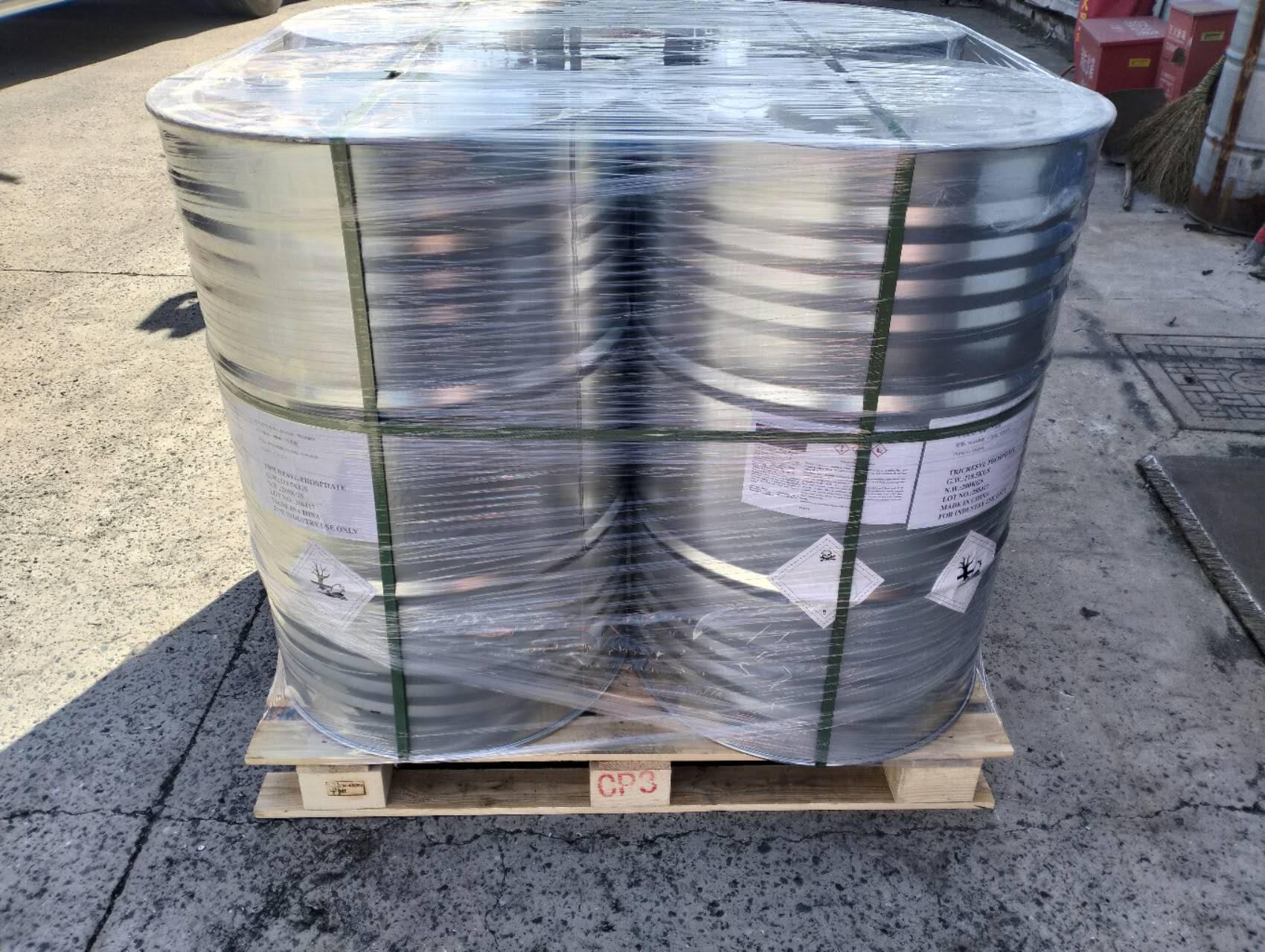
A product can pass every final inspection and still degrade before it reaches the customer if handling and storage are treated as afterthoughts. Pallets get bumped, boxes are stacked too high, and forklift operators take corners a little too fast. The resulting vibration and shock may not tear the outer packaging, but they can crack internal seals, crush protective layers, or disturb settled powders. Over time, these micro-damages accumulate and show up as leaks, clumping, or reduced potency that no lab test at dispatch would have caught.
Storage conditions are equally unforgiving. A warehouse may sit within an acceptable temperature range on paper, yet still have hot spots near ceiling vents or cold zones by dock doors. Humidity swings cause condensation inside breathable packaging, while prolonged exposure to fluorescent light can fade pigments or trigger oxidation in sensitive formulations. Even small fluctuations, repeated daily, can stress emulsions, accelerate microbial growth, or cause plastic containers to become brittle. The result is a batch that looks fine on arrival but fails weeks later in real use.
Then there is the human factor. Workers rotating stock may ignore first-in-first-out rules when the rack is crowded, leaving older units buried behind newer ones. A torn pallet wrap is often patched with tape instead of triggering a re-inspection. Spills are wiped up quickly but residues remain on adjacent containers. None of these actions seem significant at the moment, yet together they create a slow drift in quality that no specification sheet can prevent. The only real safeguard is to treat handling and storage as part of the manufacturing process, not as a gap between factory and customer.
Global Supply Chains and the Risk of Quiet Substitution
In recent years, supply chain managers have grown accustomed to tracking visible disruptions—port closures, component shortages, or shipping delays. Yet a subtler form of erosion often passes unnoticed: quiet substitution. This happens when a supplier gradually replaces a specified material, component, or process with an alternative that appears equivalent on paper but differs in durability, compliance, or performance. Because the change is undocumented or buried in technical fine print, downstream buyers may not detect it until product failures or regulatory violations surface months later.
Quiet substitution thrives where oversight is fragmented and cost pressures are intense. A tier-two supplier might switch to a cheaper alloy, reduce plating thickness, or source a near-identical chemical from a non-certified vendor. Procurement teams relying on annual audits or sample-based testing rarely catch such incremental shifts. The risk compounds across complex, multi-tier networks: each substitution may be small, but collectively they alter the integrity of the final product in ways that are hard to trace back to a single decision.
Addressing this risk requires moving beyond transactional metrics. Buyers need to build direct relationships with sub-tier suppliers, require change notification clauses with clear penalties, and invest in material fingerprinting or periodic destructive testing for critical inputs. The goal is not to eliminate all flexibility—supply chains must adapt—but to make substitution visible and deliberate rather than silent and opportunistic. In an era of tightening margins, that distinction often determines whether a brand keeps its reputation or learns about failure from a lawsuit.
Locking in a Supplier Without Locking Yourself Out
Many supplier agreements fail because buyers confuse commitment with captivity. Locking in a supplier should mean securing reliable capacity and priority access, not signing away your right to walk when quality slips or volumes shift. The strongest deals spell out specific performance thresholds, review windows, and exit triggers before the ink dries.
One practical lever is staggered terms: instead of a five-year exclusive, consider a two-year base with renewal options tied to scorecard results. This keeps the supplier motivated to perform while giving you room to test the market. Another is dual sourcing for critical components—even at a slightly higher unit cost, the leverage and resilience often outweigh the discount.
Finally, watch the fine print around minimum purchase commitments and data ownership. Overly rigid volume clauses can turn a good partnership into a penalty box. Build in reopening clauses for material cost swings or demand shocks, and keep control of your forecasts and customer data. Lock in the relationship, not the handcuffs.
FAQ
Focus on batch-to-batch consistency, proper documentation, and whether the supplier can handle both technical and high-purity grades. A distributor that offers retained samples and full traceability back to the manufacturer usually saves you trouble later.
Common checks include gas chromatography for isomer distribution, moisture content, acidity, and APHA color. Some buyers also request a full impurity profile rather than relying on a simple purity percentage.
The ratio of ortho, meta, and para cresyl isomers changes viscosity, plasticizing efficiency, and toxicological behavior. High-purity grades often have a tightly controlled isomer profile to match specific industrial requirements.
No. Purity does not override regulatory restrictions. TCP is generally limited to industrial applications such as hydraulic fluids, flame retardants, and specialty plasticizers, not food-contact uses.
Use moisture-resistant containers and keep the product away from strong oxidizers and prolonged heat. If you are storing for extended periods, a nitrogen blanket and sealed drums help prevent color drift and acidity buildup.
Look past the unit price. Compare purity specifications, impurity limits, packaging options, delivery reliability, and whether they offer technical guidance. A cheaper quote often hides looser specs or limited batch data.
A certificate of analysis, safety data sheet, batch traceability, and relevant regulatory statements such as REACH or TSCA status. Suppliers that resist sharing impurity data or historical batch results should be approached with caution.
Yes. Synthetic routes usually offer tighter isomer control, lower odor, and better color stability. Natural cresol-based material can vary more from lot to lot, which may or may not matter depending on your application.
Conclusion
A certificate stating 99% tricresyl phosphate often tells you less than it implies. Reputable buyers now push past the headline number and ask for full impurity profiles, including trace meta- and para-isomers, residual phenols, and moisture. Some distributors quietly swap between producers in different regions when supply tightens, and the replacement can carry a slightly different isomer ratio that undermines your process. That is why batch-specific documentation matters more than a generic brochure claim. A serious distributor will not hesitate to show you the actual lot data, explain the test method used, and name the manufacturing site. If they lean on a single summary line or hide behind a reseller agreement, treat that as a warning sign rather than a minor paperwork gap.
Quality also slips in less obvious places: drums stored outdoors, reused containers, or warehouses that mix technical grade and high-purity product without clear segregation. Ask how the material is handled after it leaves the producer, not just how it was made. Then protect yourself in the supply agreement. Keep the right to audit storage conditions and request retained samples from each delivered lot. At the same time, avoid locking yourself to one source so tightly that you cannot switch when a batch falls short. Build in qualified alternate suppliers or a clear remedy path for out-of-spec material. The goal is not to find the cheapest distributor with a polished data sheet, but to find one whose operational habits keep the product as pure on your dock as it was on paper.
Contact Us
Contact Person: WANG SIHAI
Email: [email protected]
Tel/WhatsApp: +86-13815295628
Website: https://www.fortunechemtech.com/index_en.html

