Window Blinds Manufacturer Shares Expert Design Tips for Every Room
2026-09-21
Most window blinds advice stops at 'measure twice, cut once'—but real design insight comes from the factory floor. ROLLERGY, a window blinds manufacturer with hands-on experience across thousands of homes, breaks down what works (and what doesn't) in every room. If you've ever wondered why your living room feels off or your bedroom never gets dark enough, these are the practical, no-fluff tips you need.
Why Your Living Room Blinds Should Never Match the Walls Exactly
Matching blinds to wall color seems like the safe move, but it often flattens the room. When every vertical surface runs the same shade, the window loses its frame and the eye has nowhere to settle. A slightly deeper or lighter blind tone—even two steps away on a paint strip—gives the wall a faint shadow line that reads as intentional rather than accidental.
Texture matters as much as tone. A woven wood blind in a near-match beige will still hold interest because the light catches the cords and slats differently. But a flat vinyl blind in the exact wall color tends to disappear, leaving the window looking unfinished and the room feeling smaller than it is.
If you’re nervous about contrast, start with a tonal shift rather than a bold statement. Warm gray walls pair well with blinds in a slightly cooler gray, and off-white walls come alive next to a soft sand or oat shade. The goal isn’t to shock; it’s to give the wall depth so the whole room feels layered rather than painted over.
The Bedroom Blackout Trick Hotels Don't Want You to Know
Most hotel rooms come with blackout curtains, but they rarely close all the way. The sliver of sunlight that sneaks through the middle can ruin a perfectly good sleep. The fix is already hanging in your closet: those trouser hangers with the two metal clips. Slide the clip ends onto the overlapping edges of the curtains and pinch them together. It holds the fabric tight enough to block the light without leaving a mark.
If your room doesn't have clip hangers, a simple hair tie or a small binder clip from your toiletries works just as well. Twist the tie around the gathered curtain panels, or pinch the clip at the top where they meet. For the gap under the door, roll up a bath towel and wedge it into the space. It's a low-tech fix that turns even a bright street-facing room into a cave.
The Moisture Mistake That Ruins Most Kitchen Blinds
The real culprit behind warped, stained kitchen blinds often isn't poor quality material—it's the daily steam from boiling pots and simmering pans. Most people keep blinds fully closed while cooking to block glare, not realizing that trapped moisture condenses on every slat and seeps into the hinges, headrail, and fabric cords.
Wood swells and splits along the grain, faux wood begins to yellow at the edges, and metal blinds develop rust spots that no amount of wiping can reverse. The damage rarely shows up overnight, which is why the habit feels harmless. By the time you notice a slight bow in the slats or a musty smell near the window, the moisture has already worked its way deep into the structure.
A simple shift makes a bigger difference than most people expect. Tilt the slats downward to let steam slide off instead of settling in, run the exhaust fan from the first minute of cooking, and leave the blinds partially raised for half an hour after the stove goes off. Dry air moving across the surface does more for longevity than any cleaning product ever will.
Bathroom Privacy Without Sacrificing Natural Light
Bathroom windows often force a choice between feeling exposed and blocking out the sun. One practical solution is to install frosted or textured glass, which scatters light while obscuring the view from outside. For existing clear windows, a cling film with a subtle pattern or a layer of privacy film can deliver the same effect without a full replacement.
Another option is to position the window higher on the wall, letting daylight wash across the ceiling and upper walls while keeping the lower area shielded. If that's not feasible, consider a top-down bottom-up shade that can be lowered from the top to admit sunshine from above while covering the lower half for privacy.
For a softer, more organic look, sheer curtains paired with a lightweight bamboo or reed blind give you adjustable control. You can angle the slats to let in diffused light, or roll them fully open on overcast days. This layered approach also adds warmth to the room without sacrificing the open feel that natural light provides.
Home Office Glare and the Simple Fix for Screen Fatigue
That dull ache behind your eyes after a long day at the home office often has less to do with screen time itself and more to do with the light bouncing off your monitor from a window or overhead fixture. Glare forces your eyes to constantly adjust between bright spots and darker screen content, which tires the muscles faster than you might expect.
Instead of buying expensive anti-glare screen covers or rearranging your whole desk, try shifting your chair a few inches to one side so the main light source isn’t directly behind you. A simple piece of frosted window film or even a thin white curtain can soften harsh sunlight without making the room feel dim.
Another overlooked fix is to tilt your monitor slightly downward, so it doesn’t catch reflections from ceiling lights. Combined with lowering the screen brightness to match the room’s ambient light, these small adjustments can reduce eye strain noticeably within a day or two.
Cordless Options That Survive Sticky Fingers in Kids' Rooms
Kids’ rooms are essentially testing grounds for every kind of mess. Cordless window coverings have to shrug off grape jelly smears, crayon marks, and the random sticker collage. Opt for cordless cellular shades made from polyester or PVC-coated fabric that can be wiped with a damp cloth. Pleated styles without exposed strings or wands hold up better because there is less hardware for small hands to grab and twist.
Roller shades with spring-loaded or motorized lift are another durable choice. The flat panel cleans up in seconds after most smudges, and the absence of a dangling cord removes a serious safety hazard. If you go motorized, pick a rechargeable battery wand tucked into the headrail so controls stay out of reach while you adjust light without touching the fabric.
Cordless top-down/bottom-up honeycomb shades justify the slightly higher price. They let you raise the bottom for daylight or lower the top for a view, and the honeycomb cells add a bit of sound dampening against playroom chaos. Before buying, check the manufacturer’s cleaning code—some spot-clean with mild soap, while others need a quick blast of compressed air for dust.
FAQ
They go too sheer or too heavy without considering how the room is actually used. In living rooms, I always suggest starting with a light-filtering cellular shade if you want soft daytime glow, then adding drapery panels at the sides if you need to block glare for TV watching. The trick is to mount the blind outside the frame and a few inches above the window to make the ceiling feel taller.
Blackout roller shades with side channels are the unsung heroes for bedrooms. Unlike curtains that leak light around the edges, a well-fitted blackout shade can cut almost all outside light. If you're sensitive to morning light, choose a shade with a cassette valance and pair it with blackout-lined curtains. Also, go for cordless or motorized options so you can adjust them without fumbling in the dark.
Faux wood blinds or aluminum blinds are my go-to for wet areas. Real wood can warp or crack when steam hits it repeatedly. Faux wood gives you the same warm look but wipes clean with a damp cloth. For a softer feel, consider vinyl roller shades with a moisture-resistant coating. Just avoid fabric roman shades directly above a stove or shower unless you enjoy deep cleaning.
Yes, and it's mostly about mounting height and slat direction. Mount the blind closer to the ceiling rather than the top of the window frame, even if there's a gap. Horizontal blinds with wider slats, like two and a half inches, read as more modern and don't visually chop the wall into tiny strips. If you can, choose a shade that disappears into a slim headrail so the window itself remains the focal point.
Try top-down bottom-up cellular shades. You can lower the top portion to let natural light in from above while keeping the lower half covered to block direct glare on your monitor. Another option is a light-diffusing roller shade in a neutral tone, positioned so you can adjust it as the sun moves. Task lighting at your desk fills in the rest so you don't need the overhead lights blazing.
Definitely prioritize cordless or motorized blinds. Even with cord cleats, dangling cords are a hazard. Look for cordless cellular shades in a blackout fabric for nap time, and consider top-down bottom-up so you can keep the upper part open for light while maintaining privacy down low. Also, avoid long wand controls if your child likes to grab things—remote or app control is worth the extra cost.
Keep the blind simple and let the drapery add personality. A woven wood shade or a textured roman shade adds warmth and filters light beautifully over a dining table. Then add unlined linen curtains on a slim rod to soften the edges. The key is to avoid heavy valances and busy patterns on both layers—pick one to be the star and let the other recede.
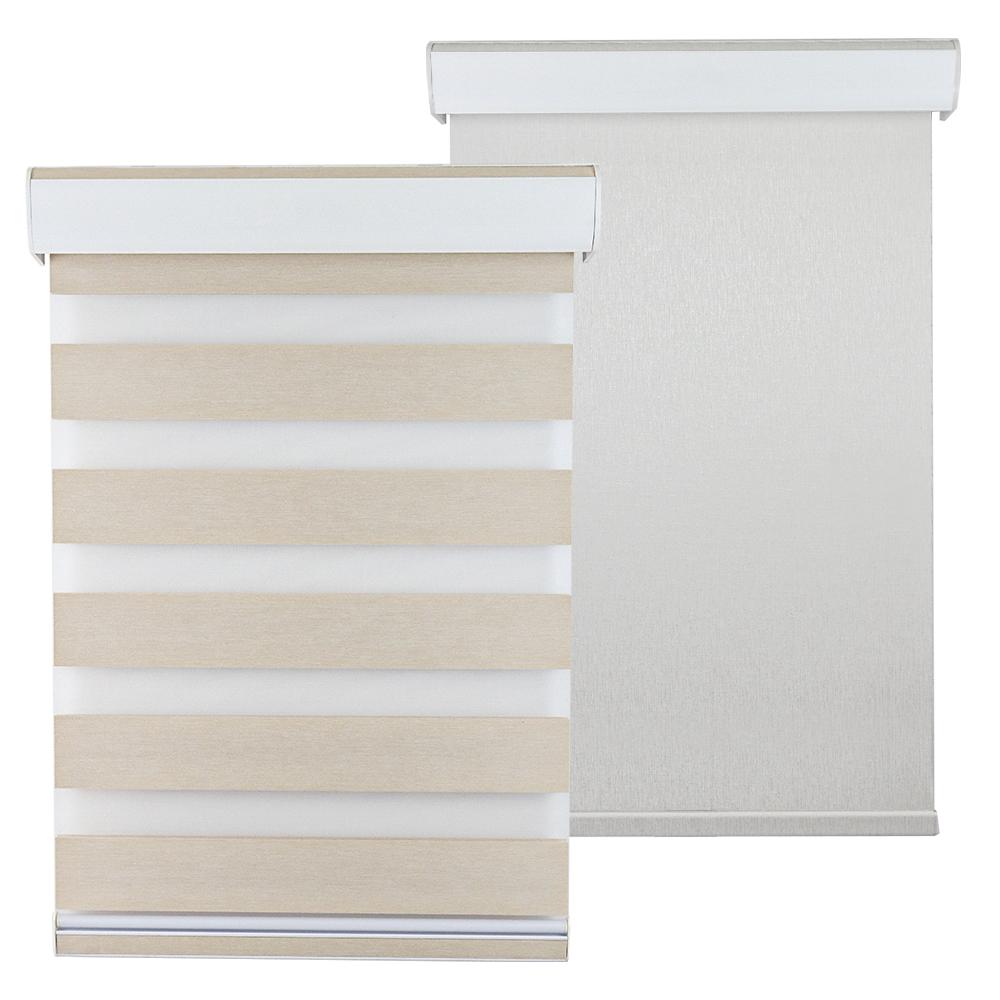
Use sheer horizontal blinds or zebra shades. With zebra shades, you can align the sheer and solid bands to create a striped effect that gives you privacy while still letting in diffused light. Another trick is to frost just the lower half of the window and mount a light-filtering shade above it. That way you're not completely closing yourself off from the street view, but passersby can't see directly inside.
Conclusion
When outfitting different rooms, the rules shift more than most people expect. In living areas, a blind that's too close to the wall color flattens the space and kills any sense of depth—going a couple of shades lighter or darker, or adding a subtle texture, keeps the room feeling layered instead of blocky. For bedrooms, the real trick isn't just buying any "blackout" label. Look for side channels or a tight cassette valance; otherwise light sneaks around the edges, and all you've done is make the room gloomy rather than truly dark. Kitchens are another common trouble spot. Wood and fabric blinds absorb steam and grease, then warp or stain within a year. Opt for faux wood, aluminum, or a wipeable roller fabric, and always measure so the blind doesn't sit directly over a boiling pot.
Bathrooms need a balance between privacy and daylight. Top-down bottom-up shades work well—you can keep the lower half covered while letting light pour in from above. For home offices, the screen glare problem is usually solved not by going darker, but by directing light away from the monitor: a light-filtering roller or adjustable slats let you control the angle without falling back on harsh overhead lights. And in kids' rooms, cordless designs aren't just a safety requirement; they're the only thing that survives enthusiastic tugging. Look for spring-assist or motorized options with reinforced bottom rails, because sticky fingers will find every weak point within a week. A good manufacturer thinks in terms of daily abuse, not showroom conditions.
Contact Us
Contact Person: Vivien Cheng
Email: [email protected]
Tel/WhatsApp: +86 13751758835
Website: https://www.rollergytech.com/