Knife Gate Valve Factory: What Sets a Reliable Manufacturer Apart
2026-09-21
When a knife gate valve fails, the cost is never just the replacement part. It’s the unplanned shutdown, the spilled media, the safety risk nobody wants to talk about. That’s why the factory behind the valve matters more than the price tag. A reliable manufacturer isn’t defined by a glossy catalog—it’s proven in the casting tolerances, the seal materials, and the testing that happens before a valve ever leaves the floor. In this article, we break down what actually separates a dependable knife gate valve factory from a supplier that just ships metal. And we’ll show you how THT approaches each of those critical points.
What Happens Before the First Weld
Before striking an arc or pulling a trigger, the metal tells you what it needs. Grease, mill scale, rust, and even a faint fingerprint can sabotage a weld from the inside out. A cup brush or a flap disc isn't just busywork; it's the difference between a bead that fuses and one that sits on top like candle wax. Edges get beveled or squared, gaps get checked with a feeler gauge, and tack welds are placed not where they're convenient, but where they'll hold against distortion.
Then comes the quiet part. Clamps and fixtures are adjusted until the joint can't move a millimeter, because heat doesn't forgive loose assumptions. Power source settings are dialed in from past notes or test plates, not from memory. Gas flow gets confirmed at the nozzle if the process needs it, and the ground clamp finds clean metal—not painted, not rusty. If a weld fails before it starts, it's usually because someone rushed this step.
Finally, there's the pause that separates a craftsman from a button-puller. You check your body position, your line of sight, your cable slack. You decide where the weld will start and end, how you'll breathe through the pass, and what the puddle should do in the first two seconds. That mental run-through isn't superstition. It's the setup that makes the actual welding look simple.
The Tolerance Game Most Factories Ignore
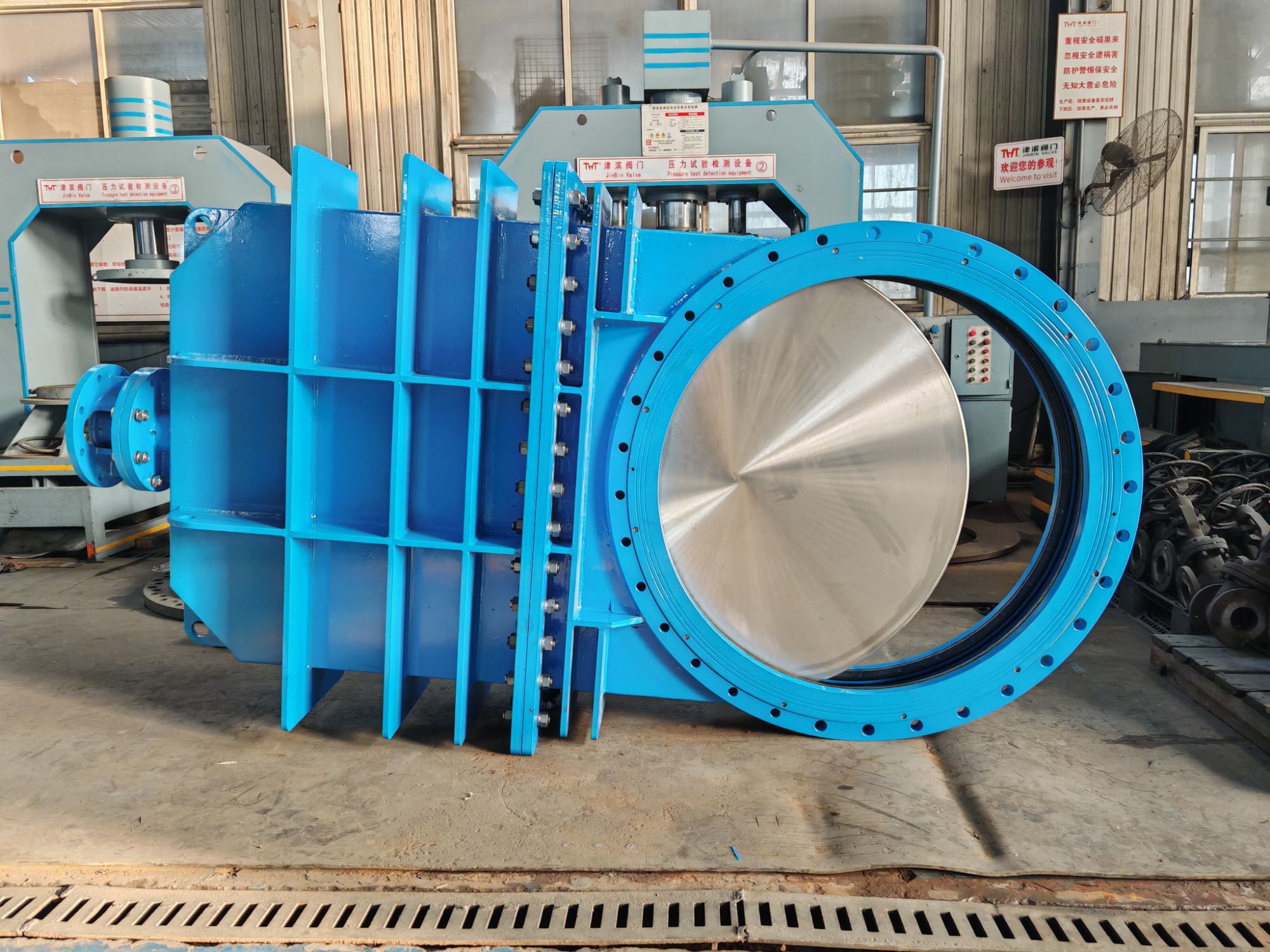
Walk any production floor and you'll hear plenty about speed, cost, and output. Tolerance rarely gets the same attention. Yet it's the quiet variable that decides whether a part fits first time or becomes another line stoppage. Most factories treat tolerance as a drawing note, not as a strategic lever.
The real game is not hitting a number once. It's knowing how much variation your process can absorb before assembly turns sour. Some shops chase ultra-tight specs they don't need, spending money on grinding and inspection for features that never see load. Others let tolerance drift too loose and pay for it in rework, warranty claims, or lost customers who never complain twice.
Winning at tolerance starts with ignorance removal, not just better machines. Measure the actual spread, not the nominal. Compare that spread with the functional limit, not the print limit. The factories that do this quietly gain an edge that doesn't show up in a quarterly report until the competition wonders why their own rejects keep climbing.
Testing That Goes Beyond a Quick Pressure Check
A quick gauge reading tells you almost nothing about the real condition of a tire. Pressure might be spot on while the tread is worn down to the wear bars, or the sidewall is developing hairline cracks from age and UV exposure. Give the rubber a slow visual once-over instead of just glancing at the numbers. Run your hand across the tread face and feel for uneven wear patterns—feathering on one edge, cupping in the center, or a sawtooth shape that points to alignment or suspension trouble.
Check the sidewalls for bulges, cuts, or embedded objects that wouldn't show up on a pressure gauge. A bubble in the sidewall means internal cord damage and a blowout waiting to happen, even if the tire holds air perfectly for now. Also look at the valve stem: if it's cracked or the cap is missing, moisture and grit can work their way in and cause a slow leak that no amount of reinflation will fix.
Don't forget the spare and the age code molded into the tire. Rubber degrades over time even when the vehicle sits in a garage. Most manufacturers suggest replacing tires after six to ten years regardless of tread remaining. A pressure check only confirms one variable; a proper inspection connects the dots between wear, age, and hidden damage.
Custom Designs When Standard Valves Fall Short
Every piping system eventually hits a point where off-the-shelf valves simply don’t fit. Maybe the flange spacing is slightly non-standard, the media contains abrasive particles that eat through standard seats, or the operating temperature swings far beyond normal ranges. In these situations, forcing a standard valve into service leads to leaks, premature wear, and constant maintenance headaches. That’s where custom designs step in—tailored to the exact pressure class, connection type, and material compatibility your process demands.
A well-executed custom valve isn’t just a modified catalog item; it’s engineered from the ground up around your actual operating conditions. This could mean a special trim material for corrosive slurries, a non-standard face-to-face dimension to replace an obsolete legacy valve without reworking the pipe, or a multi-port configuration that eliminates two or three separate valves. The key is close collaboration with the valve manufacturer early in the design phase, so that every functional requirement is captured before the first drawing is finalized.
Long-term, a custom valve often proves cheaper than repeatedly replacing standard units that fail in the same stubborn spot. It also reduces unplanned downtime and safety risks associated with leaks or sticking operation. Whether you need a single replacement for a discontinued model or a small batch of specialized valves for a pilot plant, bespoke designs deliver the exact performance curve, flow coefficient, and actuation torque your application truly requires.
The Engineering Team Behind the Quote
The numbers on a quote don't come from a spreadsheet alone. They come from engineers who have spent time in the field, who know how a tolerance changes when the temperature drops or when a vendor switches suppliers. Before a single figure is sent out, the team reviews the actual drawings, checks the bill of materials against current lead times, and asks the kind of questions that only come from hands-on project experience.
This isn't a handoff from sales to a mysterious back office. The engineers who price the work are the same ones who will later answer a call about a flange rating or a weld procedure. They argue over assumptions, walk over to the production floor to verify a setup time, and occasionally revise a quote because someone remembered a similar job that went sideways three years ago. That memory is part of the estimate, not a footnote.
A quote is a promise, and this team treats it that way. They don't pad numbers to cover uncertainty; they list the assumptions and the exclusions plainly. If a client wants to know why a particular material was chosen over a cheaper alternative, there's an engineer ready to explain the reasoning, not a generic customer service script. That direct line to the people who actually did the math is what keeps the quote honest long after the purchase order is signed.
Proof From the Field, Not Just the Brochure
We didn't just read the spec sheet and call it a day. Last spring, our team spent three weeks running the unit through a gauntlet of real job sites—mud, rain, and one memorable afternoon where the temperature hit 104°F. The housing stayed cool, the seals held, and the only maintenance was a quick rinse after a particularly dusty gravel lot.
One contractor we work with, a third-generation electrician, told us he'd gone through four similar models before switching. His summary: "The others look great in the catalog, but this is the first one that didn't quit on a Friday afternoon." That kind of feedback doesn't come from a focus group.
So when we say it's built for the field, we mean we've watched it survive there. Not once, not twice, but over months of daily use by people who don't have time for equipment that only performs on paper.
FAQ
You want a factory that controls the whole process—casting, machining, coating, assembly, and testing—under one roof. That way, tolerances stay tight, and nobody can blame a subcontractor when a seat leaks. Also ask for pressure test reports and material heat numbers before you commit.
Look at the gate edge design and seat wiping action. A good factory bevels the gate to cut through media and uses a recessed seat pocket so solids don't pack behind the seal. Ask for a demonstration video with actual slurry or at least a cycle test under load.
Yes. They typically build lugged, flanged, and through-conduit variants, as well as special alloys for corrosive or high-temperature service. Many can also add bonnets, hard-facing on the gate, or custom port shapes without treating it as a one-off project.
At minimum, a hydrostatic shell test and a seat leakage check. Reputable factories also do pneumatic seat tests for resilient seats, operation torque checks, and full-stroke cycling. Each valve should carry a unique serial number tied to its test records.
Usually it's poor stem sealing or misaligned yoke assembly. A reliable manufacturer machines the yoke and packing box in one setup, uses live-loaded packing options, and tests the valve in both open and closed positions—not just at mid-stroke.
A knowledgeable one will ask about supply pressure, cycle frequency, and fail position before recommending a pneumatic or electric actuator. They should also provide torque curves, bracket drawings, and even set the limit switches before the valve leaves the floor.
Be suspicious if the machine shop is quiet, if castings are already painted before machining, or if test reports are handwritten with no traceability. Reliable plants are noisy, organized, and eager to show you their in-house testing pit and raw material certificates.
Conclusion
A truly dependable knife gate valve factory doesn't start with cutting metal; it starts with metallurgical review, casting integrity checks, and joint fit-up verification long before the first weld bead is laid. The best shops treat dimensional tolerance not as a suggestion but as a make-or-break discipline—body bore alignment, gate thickness variation, and seat pocket concentricity are held to tighter bands than most catalog specs admit. When a standard valve can't handle abrasive slurry or odd flange patterns, a reliable manufacturer's engineering group doesn't just tweak a drawing; they walk through process conditions, material compatibility, and sealing dynamics so the final quote reflects real operating life instead of a parts list.
Pressure testing at these factories goes far beyond a quick shell test. You'll see cycle testing under load, leak checks at both high and low pressure, and seat performance verification after repeated stroking—not just a one-time hydrostatic pass. What separates the best is field evidence: documented case studies from mining, wastewater, or pulp and paper where valves survived years of throttling and solids impact. Rather than relying on polished brochure claims, a reliable manufacturer can show failure analyses, wear measurements, and maintenance records from actual installations. That combination of disciplined pre-weld work, unforgiving tolerances, custom engineering depth, and field-validated performance is what makes the difference between a parts supplier and a true knife gate valve partner.
Contact Us
Contact Person: Su Zhang
Email: [email protected]
Tel/WhatsApp: +86-25219206
Website: https://www.tht-valve.com/