China Steel Handrail: The Ultimate Guide to Durable and Stylish Railings
2026-10-12
Steel handrails are more than just safety features—they're the quiet design backbone of staircases, balconies, and walkways. But finding options that balance real durability with a look you actually want to live with? That’s where most guides fall short. In this ultimate guide to China steel handrails, we cut through the noise to show you what makes these railings stand up to weather, wear, and time—without sacrificing style. Along the way, you’ll see why Sino Grating has become a name worth knowing for builders and designers who refuse to compromise.
The Real Difference Between 304 and 316 Stainless Steel Handrails
When you're choosing between 304 and 316 stainless steel for handrails, the practical difference usually boils down to one thing: how much salt or chlorides the metal will face. Both grades look nearly identical, feel solid under hand, and resist rust in normal indoor or dry outdoor conditions. But 316 contains a small addition of molybdenum—typically 2 to 3 percent—that gives it a genuine edge in marine environments, around pools, or anywhere de-icing salts get tracked in during winter. For a condo balcony a block from the ocean, 316 will keep its clean look years longer without pitting or tea staining.
That doesn't mean 304 is a weak choice. For most residential and commercial handrails away from the coast, 304 performs excellently and costs noticeably less. The real difference shows up over time: 304 can develop small rust spots or surface corrosion if chlorides sit on it repeatedly, while 316 shrugs off that exposure far better. If your project is inland, budget-conscious, and won't see salt spray, 304 is often the smarter buy. If the railing is within a few miles of saltwater, near a heavily chlorinated pool, or in a region with heavy road salt use, the upgrade to 316 usually pays for itself in lower maintenance.
One more thing to keep in mind: both grades can be polished, brushed, or powder coated, so appearance alone won't tell them apart. The real decision is about service life and the specific environment. A fabricator might charge a modest premium for 316 because the raw material costs more and it's slightly harder to work with, but that initial difference is often small compared to the cost of refinishing or replacing corroded handrails later.
How to Match a Steel Handrail to Your Home’s Exterior Style
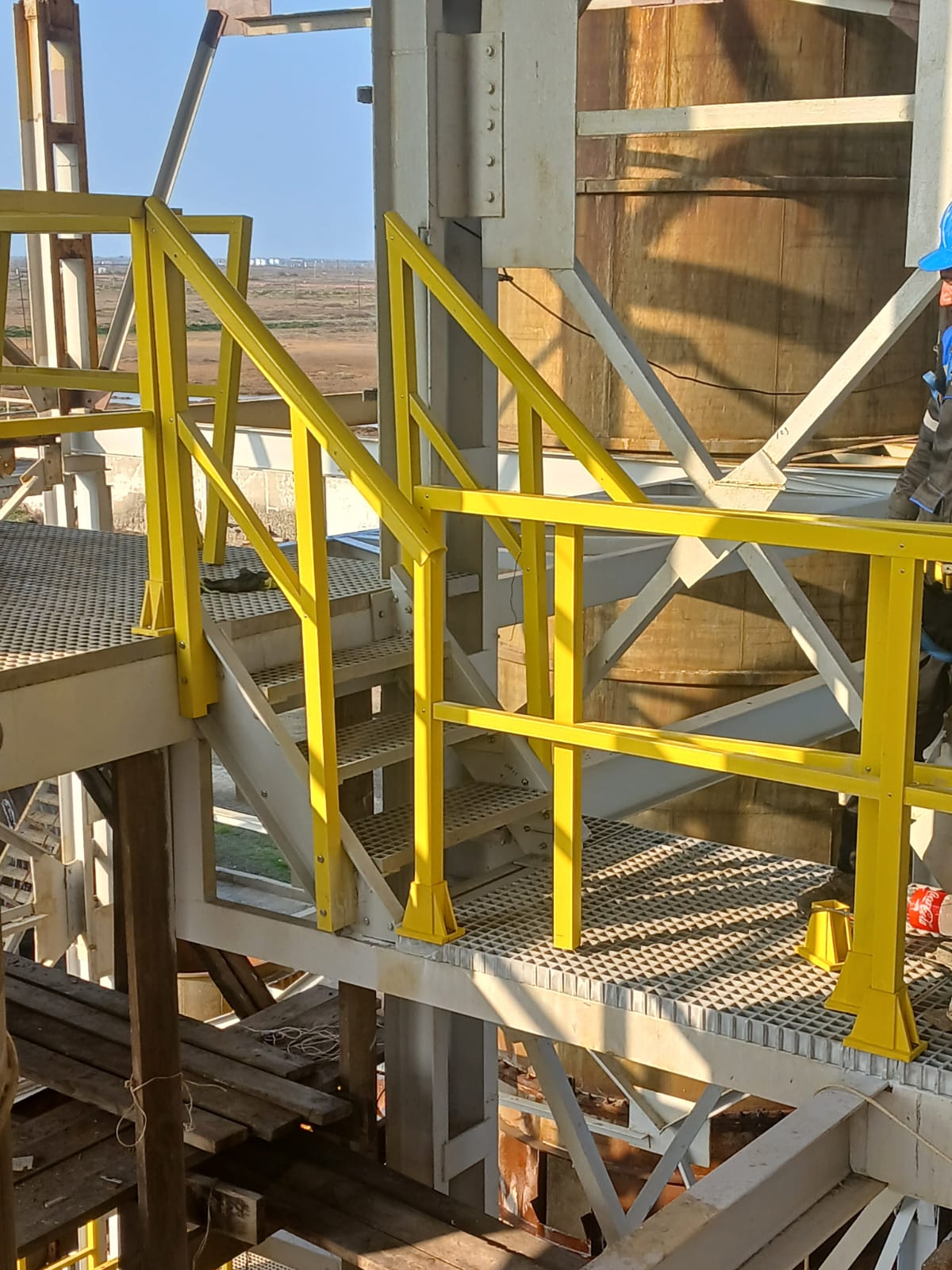
Start by taking a hard look at the lines already present in your home’s facade. A steel handrail feels most at home when it echoes the geometry of the surrounding architecture. If your exterior leans sharply modern—think flat roofs, wide window banks, or crisp stucco corners—choose a rail with clean vertical balusters and a slim top bar, finished in matte black or raw zinc. The contrast should feel intentional, not tacked on. For a transitional or contemporary farmhouse with board-and-batten siding, try a warmer approach: a slightly thicker top rail with simple square posts and a bronze or graphite powder coat that picks up the darker tones in window frames or light fixtures.
Pay attention to what the handrail is anchored to. Steel can be cold and uninviting if it ignores the softer materials around it—wood porch ceilings, stone porch piers, or brick steps. One easy way to create harmony is to introduce a secondary material at the connection points. For instance, you might set the steel posts into stained oak caps or run a thin wooden handrail on top of the steel structure. That small gesture can tie a dark metal rail into a brick colonial without making it look industrial. If your home’s exterior already features iron accents, like a wrought-iron gate or lanterns, lean toward steel with a slightly more textured finish—hammered or lightly distressed—so it doesn’t read as a sleek modern insert next to older metalwork.
Don’t forget the role of proportion. A chunky, heavy steel rail can overwhelm a cottage with a low porch, while a delicate, spindly design disappears against a grand two-story entry. Match the visual weight of the rail to the scale of your home’s architectural details. On a narrow stoop, a simple vertical-rail design with a top bar no more than two inches wide keeps the entry feeling open. On a wide front veranda, consider a horizontal-cable steel rail or one with broader flat bar infill to hold its own. Finally, let the finish do some of the work: a light gray or weathered steel patina suits coastal and shingle-style homes, while a deep brown or oil-rubbed bronze brings warmth to a traditional brick or stone exterior.
What to Look for in Welded Joints and Hidden Fasteners
Start by running a fingertip along the weld bead. A well-executed joint should feel nearly seamless, with a consistent width and a slight crown rather than a sharp ridge. Look for tiny pinholes or craters at the stop points—these often signal trapped gas or a rushed pass. Discoloration on stainless steel is another tell: a pale straw tint is normal, but blue or purple hues mean too much heat went into the metal, which can weaken corrosion resistance.
For hidden fasteners, ignore the visible surface at first and check the reverse side or the seam line. The clip or bracket should sit flush without dimpling the panel. Gently press near the fastener; any clicking or movement suggests the grip range is off, either because the material is too thin or the hole was drilled slightly oversized. Also compare the gap between panels—hidden systems often fail gradually, so a 1mm difference at one end may indicate the fastener is pulling out of its slot.
Finally, flex the joint lightly with your hands. A properly welded and fastened assembly should feel monolithic under normal load, not springy or buzzy. If you hear a faint rattle when tapping with a knuckle, that is usually a hidden fastener losing tension rather than a weld issue. Ask about the process: TIG welds on sheet metal should show small, evenly spaced ripples, while an over-polished surface often hides grinding marks from repair work—something you cannot unsee once you know to look for it.
Budgeting for Custom Steel Railings Without Overpaying
Custom steel railing pricing often swings wildly based on details that have little to do with safety. Before you ask for quotes, decide whether you actually need 3/8-inch pickets, hand-forged scrolls, or a powder-coat finish rated for coastal salt air. Many fabricators charge premium rates for ornamental work that never gets noticed once the railing is installed. Specify the minimum bar diameter and spacing required by local code, then upgrade only where the visual impact justifies the extra labor.
A line-item quote is the fastest way to spot padding. Ask each fabricator to break out steel stock, cutting and welding hours, surface prep, coating, delivery, and installation. When you compare bids, make sure the finish is identical—one shop might include a zinc-rich primer and two topcoats while another quotes bare steel with a single coat of paint. That difference alone can account for a 20–30% price gap, and it’s usually worth paying for the better prep on exterior railings.
Timing and standardization give you leverage without haggling. If your project can wait until a fabricator’s slow season, you’ll often get more attentive service and a lower shop rate. Sticking close to standard panel widths and avoiding one-off radius bends can cut fabrication time dramatically. For a long run, ask whether the shop can build repeated modules in a jig rather than measuring every section by hand—that’s how you pay for craftsmanship where it matters, not for redundant layout work.
Weatherproofing Steel Handrails for Coastal and Humid Climates
Salt spray and persistent moisture will find every weak point in a steel handrail, so material selection is where durability starts. In marine or tropical settings, 304 stainless often develops pitting and tea staining within the first year or two; upgrading to 316L or a duplex grade like 2205 is a far safer bet. If budget pushes you toward carbon steel, hot-dip galvanizing to ASTM A123 after fabrication, followed by a zinc-rich primer and a high-build polyurethane topcoat, gives the assembly a fighting chance. Chrome plating and thin powder coats simply will not hold up against constant chloride exposure.
Beyond the metal itself, the way a handrail is detailed determines whether it sheds water or quietly corrodes from the inside out. Slope horizontal rails slightly, drill weep holes at low points, and avoid open crevices where salt-laden air can condense. Welded joints should be continuous and sealed, not tacked or bolted in ways that trap moisture. Stainless fasteners, nylon washers, and periodic rinsing with fresh water will go a long way toward keeping the rail sound. When scratches or scrapes appear, address them before rust gets a chance to establish a foothold.
A Simple Cleaning Schedule That Prevents Rust and Scratches
Most rust and scratches start with nothing more than leftover moisture and gritty dust sitting on metal surfaces. A quick pass with a dry microfiber cloth every couple of days removes the fine particles that act like sandpaper when you wipe later. Keep one near the garage door or toolbox so it becomes automatic, not another forgotten chore.
Once a week, use a damp cloth with a drop of mild dish soap to clean handles, hinges, and any bare steel or chrome. Skip the heavy scrubbing pads—they leave micro-scratches that trap water. Rinse the cloth often, then go over every area with a dry towel until it feels warm and smooth. If you can still see a faint wet sheen, you're not done drying.
Twice a month, apply a thin coat of paste wax or a dedicated metal protectant to exposed surfaces. This fills tiny imperfections and gives rust no place to start. For tools or parts that live in humid spots, throw a small silica gel pack in the drawer or case. It costs almost nothing and keeps the whole schedule working longer between cleanings.
FAQ
China has a mature steel production ecosystem, so raw materials cost less and factories benefit from decades of process refinement. Many suppliers also hold ISO quality certifications and export to countries with strict building codes, which pushes them to maintain consistent welding and finishing standards.
For wet or coastal conditions, 316 stainless steel is the clear winner because it contains molybdenum, which dramatically improves resistance to salt and moisture. If you are on a tighter budget, 304 stainless can work inland, but it may show surface rust near the ocean. Avoid bare carbon steel outdoors unless it has a thick galvanized or powder-coated layer.
Absolutely. Most established Chinese manufacturers accept custom drawings or even simple sketches. They can bend steel tubes to match curved staircases, laser-cut decorative panels, and adjust the spacing of balusters to meet your local safety code. Expect a back-and-forth approval process with CAD previews before production starts.
Brushed stainless steel is the most forgiving because it hides fingerprints and small scratches while requiring only occasional wiping. If you prefer color, a quality powder coating in matte black or dark bronze adds a striking contrast and protects the metal. For a premium touch, PVD coating on stainless gives a champagne, gold, or black finish that resists fading and abrasion for years.
Ask for material test certificates that confirm the exact steel grade, request close-up photos or physical samples of welded joints, and read reviews from other international buyers. A short video call to see their factory floor, especially the welding and finishing areas, reveals a lot. Also check if they offer third-party inspection services before shipment.
Many do, especially those with regular export experience. They often fabricate to ASTM, EN, or AS standards and can provide documentation showing load tests, surface finish compliance, and material traceability. It is still your responsibility to confirm that the exact product meets your local building code, so request the relevant test reports before finalizing the order.
Slim vertical bars in matte black are everywhere for a clean, contemporary look. Glass panels framed by thin steel posts are also popular because they preserve views while meeting safety requirements. For a warmer feel, people are mixing steel with wood handrails or using PVD-finished bronze tones. Custom laser-cut patterns are gaining traction as statement pieces in entryways.
It depends on the design and your skill level. Many suppliers provide pre-drilled mounting plates, numbered parts, and step-by-step assembly instructions. A straight railing with simple brackets is manageable for a confident DIYer. Curved or complex systems with glass or cable infill are better left to a local contractor who can also ensure the anchors meet local structural requirements.
Conclusion
When choosing a steel handrail from Chinese manufacturers, the first decision often comes down to 304 versus 316 stainless steel. While both resist rust far better than ordinary carbon steel, 316 contains molybdenum, which gives it a clear edge in salt-heavy air and coastal conditions. For inland homes, 304 usually delivers excellent performance at a lower cost. Beyond alloy choice, the way a handrail is put together reveals much about its long-term value. Look closely at welded joints—they should be smooth, consistent, and free of pinholes or discoloration. Hidden fasteners are another sign of thoughtful design: they keep the profile clean and reduce the number of exposed screws that can loosen or trap moisture over time. Matching the railing to your home's exterior style matters just as much as durability. A slim, horizontal cable-style steel rail suits modern or minimalist facades, while a thicker top rail with decorative balusters complements traditional or rustic architecture. Powder-coated finishes in matte black, bronze, or custom colors can bridge the gap between metal and surrounding materials like wood, stone, or brick.
Budgeting for a custom steel railing does not mean paying inflated prices. The key is to compare quotes based on material grade, wall thickness, and finish type rather than just total cost. Many buyers overpay for 'marine grade' labels without verifying the actual alloy or coating thickness. Ask for mill certificates and clarify whether the price includes hidden fasteners, anchors, and installation. For homes in humid or coastal climates, weatherproofing is not optional. Specify 316 stainless steel for any component within a mile of saltwater, and ensure that all cut ends and weld zones are passivated or sealed. In humid inland areas, a high-quality powder coat combined with occasional waxing of exposed metal edges prevents pitting. A simple cleaning schedule also extends the life of the handrail dramatically. Once a month, wipe the entire railing with a soft cloth, warm water, and a mild dish soap. Rinse thoroughly and dry with a microfiber towel to avoid water spots. Avoid steel wool or abrasive pads, which embed tiny iron particles that can start rust stains. Twice a year, inspect hidden fasteners and joints for any sign of oxidation, and touch up scratches immediately with a matching paint or clear coat. This routine takes less than fifteen minutes and keeps both indoor and outdoor steel handrails looking sharp for decades.
Contact Us
Contact Person: Nicholas Zhu
Email: [email protected]
Tel/WhatsApp: 18921275456
Website: https://www.sino-grate.com