Alpha Port Manufacturer Delivers Reliable Port Solutions Worldwide
2026-09-30
Port operators face a brutal truth: one weak link can stall an entire supply chain. That's why so many turn to AVM, the Alpha Port Manufacturer that ships reliable port solutions to terminals on every continent. From heavy-duty mooring systems to smart cargo handling, AVM's engineering quietly keeps global trade moving. But what really sets them apart? Let's find out.
Built for the World's Toughest Harbors
Harbor hardware doesn't get to choose its weather. It absorbs the same North Atlantic swells that send trawlers scrambling for shelter, shrugs off ice buildup in sub-zero anchorages, and holds steady when a 200-meter container ship misjudges the turn by half a knot. That's the everyday reality these units were designed around—not just surviving rough water, but staying reliable when replacement means waiting out a gale.
The engineers behind this line spent more time watching rust form on competing alloys than they did drafting brochures. Every weld, seal, and load path gets tested against repeated impact cycles, salt spray that eats through standard coatings, and UV exposure that turns ordinary polymers brittle within two seasons. If a component can't take a beating from a harbor tug's bow at 2 a.m. and still be inspected by dawn, it doesn't ship.
What sets the design apart is that it doesn't rely on a single trick. A thicker plate here, a different galvanic couple there, a bearing surface shaped to shed debris instead of collecting it—small choices that add up to a longer working life in places where downtime isn't a line item but a safety risk.
Where Precision Meets the Tide
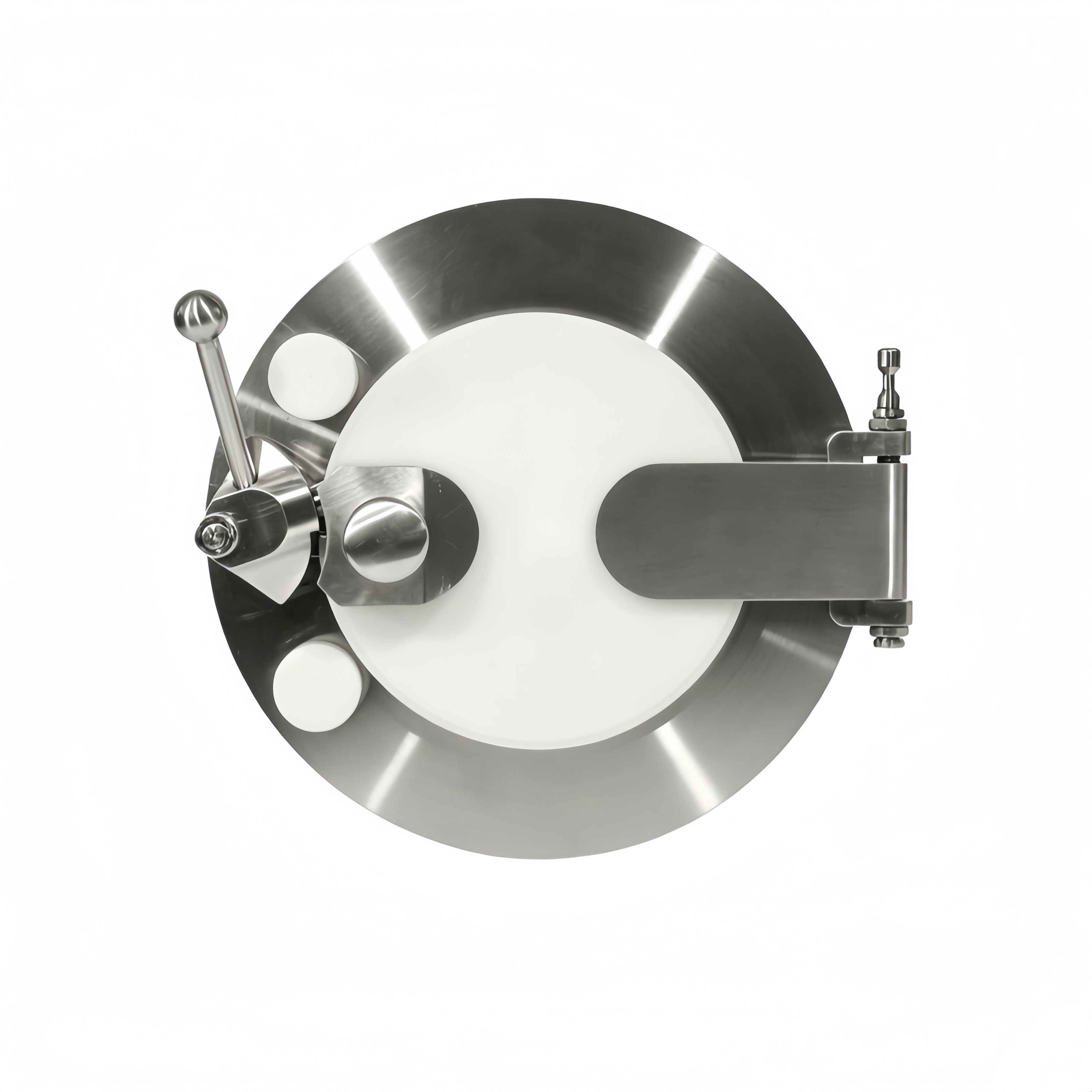
The tide doesn’t wait, and neither do the instruments built to read it. Here, tolerances are measured in fractions of a millimeter while forces shift by the ton. A sensor housing must shrug off salt crust and sudden surges, yet still deliver a signal clean enough to steer by. That’s the quiet bargain at work—where mechanical patience meets the ocean’s oldest clock.
Every bracket, seal, and readout is tested against a schedule written by the moon, not by project plans. Engineers walk the same slick rocks at low water that disappear six hours later, checking alignments with the kind of care usually reserved for laboratory optics. The result is not a machine that fights the sea, but one that listens closely enough to predict its next breath.
What emerges is a strange kind of elegance: a tide gauge that survives a winter storm without losing its zero point, a turbine blade tuned to spin in currents that never repeat exactly. Precision here isn’t about stillness—it’s about staying useful inside constant motion. And that’s the only way to work when the tide sets the rules.
From Blueprint to Berth Without the Guesswork
A berth rarely fails on paper. It fails when the as-built reality drifts from the drawing—cleat positions off by a few centimeters, fender lines that looked fine in CAD but clash with actual tide ranges, or a walkway pitch that turns a two-minute stroll into a balance test. We remove that drift by tying every design decision to field-verified measurements before the first pile is driven, not after the concrete has set.
Instead of hoping the contractor interprets the drawings the way you do, you get a single set of coordinated marks: pile coordinates tied to local survey control, edge clearances checked against the largest vessel in your fleet, and utilities routed through sleeves that already exist in the model. When the crane swings into place, there are no surprise clashes because the model and the site have already agreed with each other.
The result is a berth that matches the blueprint without the usual round of field sketches, change orders, and late-night phone calls. You watch the dock come together the way you planned it—because the guesswork was engineered out long before anyone picked up a hammer.
The Hidden Engineering Behind Smooth Cargo Flow
A container doesn’t just glide into place by chance. Beneath every dock door and sortation line sits a choreography of sensors, diverters, and decision loops that never pauses. Conveyor speeds ramp or ease based on package volume, while pneumatic stops and photo-eyes time each handoff so a parcel never slams into the one ahead. It’s the kind of quiet calibration that turns a surge of cartons into a steady, predictable stream rather than a pileup at the next bend.
The less visible half happens before a single box moves. Slotting algorithms place fast-moving SKUs closer to outbound lanes, and dock schedules are staggered so inbound trailers don’t compete with outbound loads for the same doors. Even floor markings and guardrail angles are tuned from past near-misses. That mix of pre-planned placement and real-time traffic shaping is what lets a warehouse hum along without the constant bark of a supervisor or the screech of emergency brakes.
Local Expertise With a Global Reach
We grew up on these streets. Our team knows every shortcut, every shifting neighborhood boundary, and every local regulation that could trip up an outsider. This isn't a call center in another time zone—it's your account manager grabbing coffee with a zoning board member and getting a straight answer. That kind of intimate, on-the-ground knowledge means fewer surprises and faster turnarounds, because the people handling your project already understand the unwritten rules of the local market.
But staying local would be a limitation. That's why we've spent the last decade building a network of partners, suppliers, and trusted advisors across four continents. When a client in Austin needs a special fabrication detail sourced from a small workshop in Osaka, or a retail rollout in Frankfurt has to align with a simultaneous launch in Singapore, we don't blink. We pick up the phone, speak the language—sometimes literally—and make it happen without missing a beat. The local insight sharpens the strategy; the global reach makes it scalable.
Most firms force you to choose: a boutique that's close to the ground but can't scale, or a giant that's everywhere but nowhere in particular. We built something different. You get the nimbleness and candor of a local partner who shares your zip code, backed by the logistics, relationships, and follow-through of a team that operates around the clock and around the world. It's the reason a family-owned restaurant group and a multinational hotel brand can both trust us with the same level of care.
When Downtime Isn't an Option, Neither Is Compromise
Operations teams running revenue-critical platforms don't get to schedule outages around business hours. They know that a brief database stall or a dropped connection during peak load can erase months of customer trust in seconds. That's why the systems they rely on are chosen for behavior under stress, not for what looks good in a demo.
The same logic applies to every layer of the stack. A monitoring tool that only samples metrics every few minutes or a firewall that adds unpredictable latency might pass a checklist review, but it will fail when the pressure is on. Compromise here doesn't mean a slightly less convenient feature; it means accepting a weaker link in a chain that's only as strong as its worst component.
So when availability is non-negotiable, teams push for failover that's actually been tested, for fail-closed defaults that don't silently drop traffic, and for clear diagnostic paths instead of marketing promises. They accept harder integrations or steeper learning curves because those are the costs of not having to explain an outage later.
FAQ
They combine decades of on-site engineering experience with a flexible production line, so even unusual port layouts or harsh coastal conditions don't force clients into compromise.
Every component goes through accelerated salt-spray and load testing before leaving the factory, and the company keeps a regional spare parts network close to major shipping routes.
Yes, the company has delivered turnkey installations across five continents, with local project managers who coordinate permits, transport, and on-site assembly.
Rather than a generic warranty, Alpha assigns a dedicated response team and offers scheduled maintenance visits, remote diagnostics, and operator training tailored to each terminal.
Custom design is the default. Their engineers work from tidal data, vessel traffic patterns, and existing infrastructure to build fenders, bollards, and boarding systems that fit the exact site.
Most standard components ship within four to six weeks, while larger structural systems are phased to align with the client's construction schedule, avoiding unnecessary storage costs.
Besides container and bulk terminals, they support ferry operators, naval facilities, offshore wind farms, and cruise ports with specialized mooring and access equipment.
Yes, their products meet or exceed ISO, PIANC, and local maritime codes, and third-party inspectors are invited to witness factory acceptance tests before shipment.
Conclusion
Alpha Port Manufacturer doesn’t just supply hardware; it designs port systems that hold up when waves slam breakwaters and salt spray eats at ordinary steel. Their engineers treat each harbor as its own problem—studying tidal swings, berth geometry, and vessel traffic before a single pile is driven. That’s why their fendering, bollards, and mooring equipment show up in places where a failed casting means a stalled supply chain. From first survey to final load test, the company removes guesswork with shop drawings, material certs, and installation oversight that keep contractors on schedule. The result is infrastructure that fits the site, not a catalog template.
Behind smooth cargo flow is a layer of engineering most people never notice: elastomeric fender systems tuned to absorb berthing energy without passing shock into the quay, quick-release mooring hooks that let a crew cast off in seconds, and corrosion packages matched to local water chemistry. Alpha Port pairs that technical depth with local teams who know the port authorities, the pilots, and the prevailing weather patterns—so a retrofit in Rotterdam gets the same attention as a greenfield terminal in Southeast Asia. When a berth has to stay operational, downtime is measured in hours, not weeks. Alpha Port stocks critical spares, sends field engineers with wrenches and torque specs, and doesn’t walk away until the system passes a full-load test. That refusal to compromise is what makes the phrase “reliable port solutions” mean something concrete.
Contact Us
Contact Person: Ananda
Email: [email protected]
Tel/WhatsApp: 8619016718200
Website: https://www.wzaomi.com